

- 01/12/2025
- Livwell Happier Minds
- Blog
Why Postpartum Depression Is More Common Than You Think
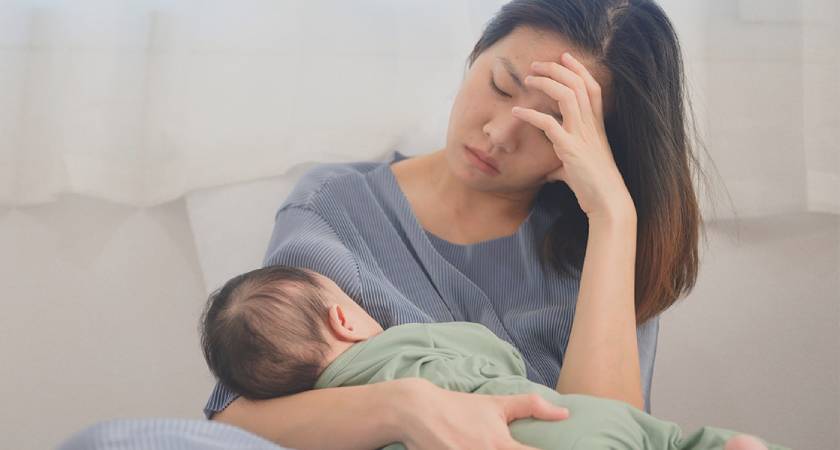
Becoming a mother is one of the most emotional and life-changing phases in a woman’s life. Many new mothers expect happiness, bonding, and joyful memories, but reality often feels very different. A large number of women experience unexpected sadness, anxiety, irritability, and emotional overwhelm after childbirth. This condition is known as postpartum depression, and it is far more common than many people realise.
As a psychiatrist with 19 years of experience, I, Dr. Pratibha Bezwada, have met many new mothers who silently struggled during this phase. Many women feel they should “be strong” or manage everything on their own, but postpartum depression is not a sign of weakness. It is a medical condition that deserves care, understanding, and timely treatment. With the right support, mothers recover well and reconnect with their families with confidence.
What is Postpartum Depression?
Postpartum depression (PPD) is a mood disorder that affects women after childbirth. It impacts emotions, thinking, behaviour, and daily functioning. Unlike the common “baby blues” that go away in a few days, postpartum depression can last for weeks or months if not treated. It is not caused by something the mother did wrong. It happens due to a combination of physical, emotional, and social changes.
Why Postpartum Depression Is More Common Than You Think?
- Hormonal Changes After Delivery: After childbirth, estrogen and progesterone levels drop quickly. This sudden hormonal change affects mood and emotional balance, making new mothers vulnerable to depression.
- Lack of Sleep and Fatigue: New mothers often struggle with sleepless nights, irregular feeding schedules, and constant caregiving. Lack of rest increases stress levels and makes emotional imbalance more likely.
- Social and Family Pressure: Many women feel pressure to be perfect mothers from the first day. When reality doesn’t match expectations, they feel guilt or shame. This pressure can directly contribute to postpartum depression.
- Sudden Change in Routine and Identity: Motherhood brings an instant change in lifestyle. Personal time, routines, social connections, and freedom become limited. This shift can create emotional confusion and sadness.
- Limited Support System: Women who stay in nuclear families or live far from their parents often feel isolated. Without emotional or practical support, the stress of caring for a newborn increases.
- Previous Mental Health Concerns: Women with a past history of depression, anxiety, or other mental health disorders have a higher chance of experiencing postpartum depression.
Early Signs You Should Never Ignore:
Postpartum depression looks different for every mother, but some common signs include:
Emotional Symptoms:
- Persistent sadness
- Feeling disconnected from the baby
- Sudden crying spells
- Irritability or anger
- Hopelessness
Physical Symptoms:
- Severe fatigue
- Changes in sleep
- Appetite changes
- Headaches
Behavioural Symptoms:
- Avoiding family
- Struggling to bond with the baby
- Loss of interest in daily activities
- Feelings of guilt or being “not good enough”
If these signs last more than two weeks, professional help is important.
How a Psychiatrist Helps in Postpartum Depression?
With years of experience in depression treatment, I guide mothers with personalised care that focuses on emotional, physical, and mental healing.
- Counselling and Emotional Understanding: Therapy helps mothers express their emotions without fear. It provides clarity, reduces confusion, and gives them tools to manage stress, sadness, and anxiety.
- Managing Hormonal Mood Changes: Hormonal imbalance plays a major role in postpartum depression. As a specialist, I help mothers understand these changes and provide a treatment plan suited to their condition.
- Medication When Necessary: If needed, safe and well-tested medications are prescribed, especially planned carefully for breastfeeding mothers.
- Helping with Mother-Baby Bonding: Postpartum depression can affect bonding. With proper guidance, mothers regain confidence and create a stronger emotional connection with their baby.
- Family Education and Support: Sometimes the family does not understand what the mother is going through. I help them learn how to support her emotionally and practically, creating a healthier home environment.
Why Choosing Professional Treatment Matters?
Postpartum depression does not simply disappear with time. Many mothers try to handle everything alone, but without support, symptoms may worsen. Professional care ensures early recovery, emotional stability, and a smooth transition into motherhood.
With my 19 years of psychiatric experience, my approach is gentle, patient-centred, and deeply understanding. I believe every mother deserves emotional safety, guidance, and a compassionate healing space. Choosing expert care at the right time makes a big difference in long-term mental well-being.
Conclusion:
Postpartum depression is real, common, and completely treatable. If you or someone close to you feels overwhelmed after childbirth, do not ignore the signs. Seeking help is a sign of strength, not weakness.
With early support, mothers recover fully and enjoy motherhood with confidence and peace. And if you ever feel unsure or emotionally stuck, you can always choose professional help. As a psychiatrist, my goal is to guide you with compassion and provide the right treatment for your emotional health.